
Dumpster Rental Cost in Asheville, NC
A dumpster rental quote depends on more than the size you pick. Debris type, weight, how long you keep the container, and how the debris gets disposed of all shape the final number — here's what actually drives it, so you know what to ask before you book.
- What commonly affects a dumpster rental quote
- How weight and overage charges typically work
- What to ask before requesting a quote
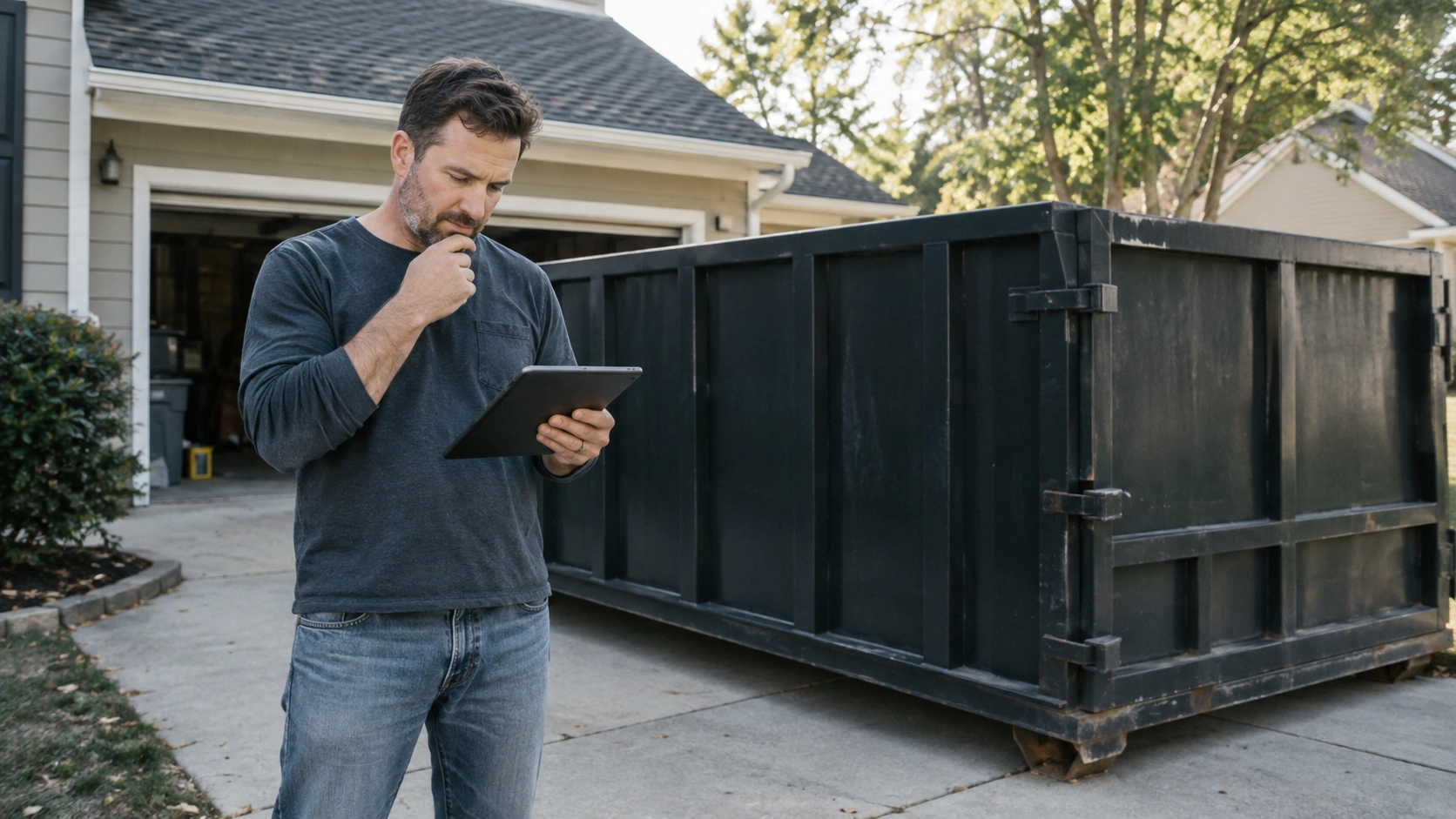
How Much Does a Dumpster Rental Cost in Asheville?
There's no single standard price — cost comes from several variables together: container size, debris type, weight, how long you need the container, and how the debris is disposed of. What counts as included versus extra is up to each provider, so instead of chasing one headline number, the more useful move is to find out exactly what a quote covers and what could add to it. The rest of this page walks through those factors.
The Main Factors That Affect Dumpster Rental Cost
These are the variables that typically shape a quote, though how each one is priced is up to the provider:
- Dumpster size / capacityLarger containers can cost more, though size alone doesn't set the total.
- Debris typeHousehold junk, construction debris, and yard waste may be priced differently.
- Weight / tonnageHeavier loads can affect cost independent of container size.
- Rental durationHow long the container sits on-site can affect the quote.
- Disposal facility chargesWhere debris is ultimately taken factors into overall cost.
- Delivery/pickup logisticsDistance and site access can affect pricing.
- Extra service or extra haulSwaps, extra pickups, or special handling carry their own cost.
- Local taxes/feesCan apply depending on the provider and jurisdiction.

Size, Weight & Tonnage
A bigger container isn't automatically a bigger bill, and a smaller one isn't automatically cheaper — weight usually decides that. Common industry sizes (roughly 10, 15, 20, 30, and 40 yard) describe volume, not price, so two projects using the same size category can land on very different quotes depending on what's actually in the container.
Most quotes include a set weight allowance — the tonnage you can load before an overage rate kicks in. That allowance is calculated from tare weight (the empty container), gross weight (loaded), and net weight (the difference, i.e. your debris). Dense material like concrete, dirt, roofing, or brick reaches that allowance far faster than bulky but light debris like furniture or branches — a container can look far from full and still be over its weight limit, which is where overage charges usually come from.
See the full dumpster size guideWhat's Included in a Quote — and What Can Add to It
Ask specifically whether each of these is part of the number you're given:
| Ask whether your quote includes... | Why it matters |
|---|---|
| Container delivery | Sometimes priced separately from the rental itself. |
| Pickup / removal | Confirm it's part of the quoted price, not billed separately. |
| A defined rental period | Know exactly how many days are covered before extra time applies. |
| Included tonnage / weight allowance | Determines when overage charges start applying. |
| Disposal charges | Sometimes bundled in, sometimes billed separately. |
| Taxes / fees | Confirm the quoted number is actually the final total. |
| Fuel / travel charges | Some providers add this based on distance. |
A few situations commonly turn into add-on charges, so it's worth asking about these upfront too:
- Exceeding the weight allowanceThe most common source of an overage charge.
- Keeping the container past the agreed periodUsually an extended-rental charge.
- An extra haul or container swapIf a project generates more debris than one load.
- Prohibited or contaminated materialsCan mean extra handling or disposal fees.
- A blocked pickupSome providers charge for an attempted pickup that couldn't happen.
- An overfilled containerMay need the load reduced before pickup, which can affect timing and cost.
- Relocating the container after deliveryCan carry its own charge.
Rental Duration & Cost
Most rentals are quoted for a set period, and how a provider handles time beyond that — a flat extension fee, a daily rate, something else — varies. If your project could run long, ask about extensions before you book rather than after. A one-day rental is its own case: availability and pricing for very short rentals aren't consistent across providers, and it's rarely just a fraction of the standard rate, so confirm it directly.
Access, Debris Type & Disposal Routing
Site Access
- Tight or obstructed sites can add complexity to delivery and pickup
- A blocked placement area can delay service
- Unusual positioning requests may need extra coordination
- Some providers factor distance into the price
Debris Type & Where It Goes
Household junk, construction debris, roofing, yard waste, and recyclables don't all follow the same disposal route, which can affect both handling and cost.
See the materials guide or learn how local disposal facilities work.
"Cheapest Dumpster" vs. Best Total Value
The lowest headline price isn't always the lowest final cost. Watch for these:
- A low weight allowanceMakes an overage charge more likely.
- A short rental periodMay need an extension for a normal-length project.
- Disposal billed separatelyAdds cost the headline number didn't show.
- Expensive overage ratesTurn a small excess into a real cost.
- The wrong sizeCan mean a second container or an extra haul.
Comparing the full quote structure, not just the number at the top, is the more reliable way to judge value.
Dumpster Rental vs. DIY Dump Runs and Junk Removal
DIY Dump Runs
- Fuel for multiple trips
- A suitable vehicle or trailer
- Landfill or disposal fees paid directly
- Your own loading and unloading time, repeated per trip
Junk Removal
Typically includes labor to load and haul debris away for you, unlike a dumpster rental, which leaves the loading to you or your crew.
None of the three is automatically cheapest — it comes down to debris volume, how many trips it would take, whether you can load it yourself, and the value of your own time. Compare your options in detail.
How to Request a Useful Quote
Having these ready makes it much easier to get an accurate, comparable quote.
Have This Ready
- Project location
- Project type — cleanout, renovation, construction, yard cleanup
- Estimated debris volume
- Material types involved
- Any heavy or dense material
- Desired timing and duration
- Placement and access details
- Anything questionable you're unsure about disposing of
Questions to Ask
- What container options are available?
- What's included in the quoted price?
- Is there an included weight allowance?
- How is extra weight charged?
- How long is the rental period, and what if I need more time?
- Are delivery and pickup included?
- Which materials need separate handling?
- What situations create an extra charge?
Local Cost Context
Where debris ends up locally can influence cost, since different materials follow different disposal routes, and site access on a given property factors into logistics too. This page doesn't publish specific local disposal fees, taxes, or average rental pricing until they can be verified against current sources — for current figures, check with your provider and, where relevant, Buncombe County Solid Waste directly.
Cost Example Scenarios
These illustrate which variables tend to drive a quote — not actual prices.
Small Household Cleanout
Mostly bulky, lightweight items like furniture and boxes. Volume usually drives sizing here, with weight rarely the limiting factor unless something dense is mixed in.
Roofing Project
Shingles add weight fast. The weight allowance and overage rate matter more here than container size alone.
Large Renovation, Mixed C&D Debris
A mix of bulky and dense material means both volume and weight matter, and disposal routing for different material types can come into play too.
Yard or Storm Cleanup
Usually bulky vegetation that's light dry but heavy wet. Volume tends to dominate, but weight can jump if debris is waterlogged or includes structural material.
Dumpster Rental Cost Questions, Answered
How much does it cost to rent a dumpster in Asheville?
It depends on container size, debris type, weight, rental duration, and disposal logistics — there's no single standard price. A quote built around your actual project is the only reliable way to get a real number.
What is the cheapest dumpster I can rent?
The lowest headline price isn't always the lowest final cost — a low weight allowance, a short rental period, or separately billed disposal can all add up. Compare the full quote structure, not just the number on top.
How much does it cost to rent a dumpster for a day?
This varies more than longer rentals do — a one-day rental isn't automatically a fraction of the standard rate, and not every provider offers it the same way. Ask directly what a short-term rental includes.
Does dumpster size affect the rental price?
Yes, but not on its own — debris weight and type often matter just as much, sometimes more. See the size guide for how these interact.
What is included in a dumpster rental price?
Delivery, pickup, a set rental period, and an included weight allowance are common — but none of them are automatic. Get a specific list of what's included before booking.
What is a dumpster overage fee?
A charge that applies when your debris weighs more than the tonnage included in your quote. Rates and thresholds vary, so ask before loading anything heavy.
How does dumpster weight affect cost?
Most quotes include a weight allowance, and going over it triggers an overage charge. Dense material like concrete, dirt, or roofing hits that limit much faster than bulky, lightweight debris.
Is it cheaper to go to the dump or rent a dumpster?
For a small amount with a suitable vehicle, DIY trips can win. Once you're looking at multiple trips or a lot of volume, a single on-site container is usually more practical, if not always cheaper on paper.
Is dumpster rental cheaper than junk removal?
Often, if you're able to load the debris yourself — junk removal's price mostly covers labor you'd otherwise be doing. It comes down to volume, your ability to load it, and provider pricing on both sides.
Can prohibited items cause extra charges?
Yes — restricted or contaminated materials can mean added handling or disposal fees. Check the materials guide before loading anything you're unsure about.
Get a Quote Based on Your Actual Project
Tell us the details and we'll help you sort through what matters for your price.