Commercial & Contractor Dumpster Rental in Asheville, NC
Running a job site, managing a property, or coordinating a tenant turnover? Predictable waste handling means planning size and weight ahead of time, confirming delivery and pickup timing, and knowing your site can accommodate a container before it shows up.
- Planning guidance for size, weight, and project duration
- What to confirm before delivery — access, placement, and scheduling
- Straightforward quote requests for contractors and property managers
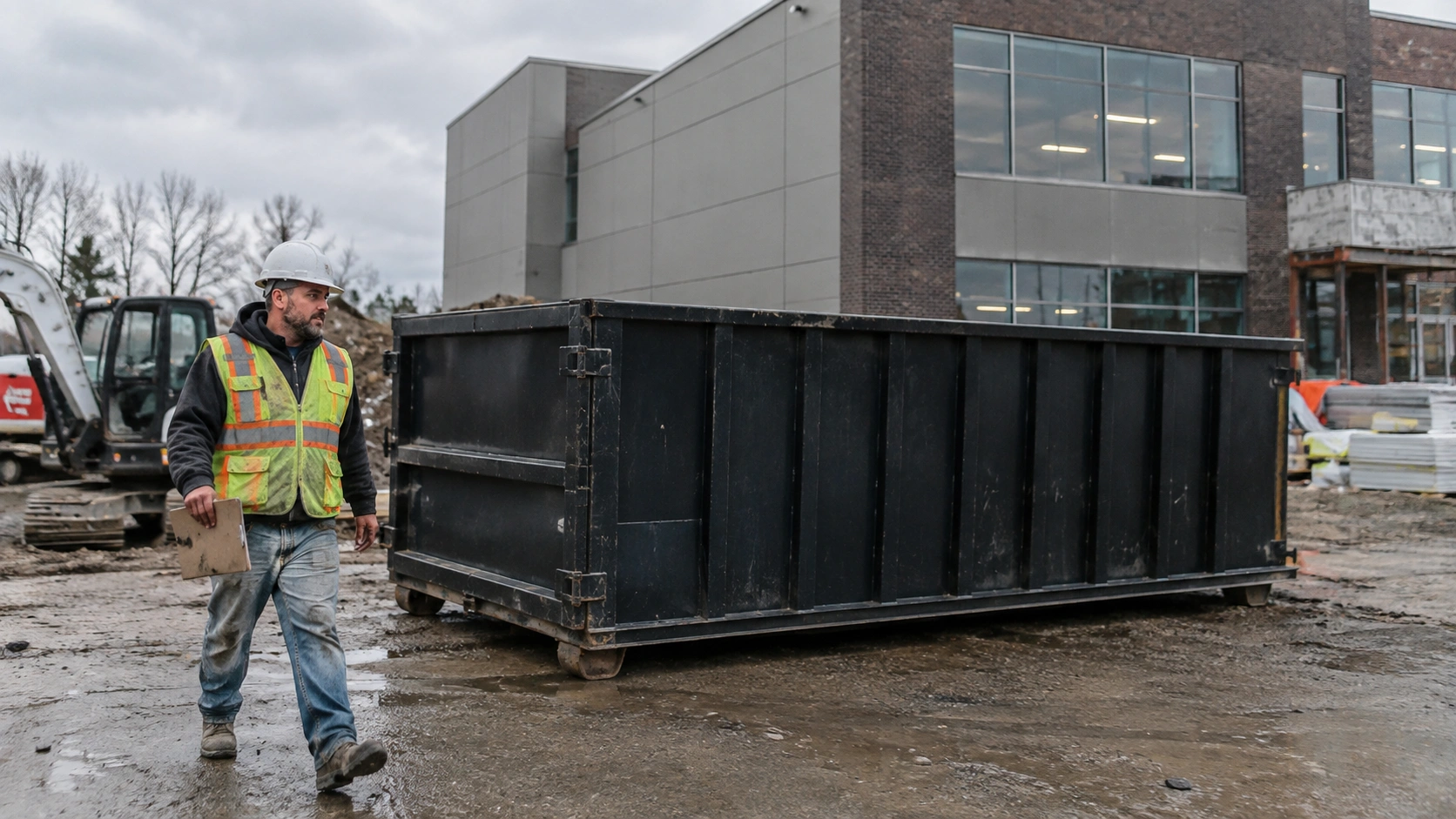
Built for Businesses, Contractors & Property Managers
Commercial and contractor dumpster needs generally look different from a single homeowner project — more coordination, more stakeholders, and often more than one container over time.
General Contractors
Coordinating debris removal across a job site alongside crews, materials, and a project schedule.
Property Managers
Managing waste across multiple units or properties, often on a recurring basis.
Landlords
Clearing a rental property between tenants or after a move-out.
Commercial Property Owners
Handling waste tied to a renovation, upgrade, or general property cleanout.
Remodeling Contractors
Managing debris removal for interior or exterior remodel work at a commercial or rental property.
Office & Retail Cleanouts
Clearing furniture, fixtures, and general debris during a build-out, closure, or space turnover.
Property Management & Landlord Cleanouts
Tenant turnover often comes with a cleanout — sometimes planned, sometimes not. A dumpster can help when a unit or property needs to be cleared before it's ready for the next tenant or a sale.
- Tenant turnover cleanoutsClearing a unit between tenants, including any items left behind.
- Abandoned household contentsFurniture and belongings left after a move-out.
- Unit or property cleanoutsFull clear-outs ahead of renovation, sale, or re-listing.
- Renovation between tenantsDebris from updates or repairs done during a vacancy period.
- Bulky-item removal planningFurniture, appliances, and other large items that need a plan before pickup day.
- Coordinating placement & pickupScheduling around move-out dates, cleaning crews, or contractor access.
Legal requirements around abandoned tenant property and disposal timelines can vary and change. This page doesn't provide legal advice — confirm your responsibilities and any required notice periods with a qualified professional or the appropriate local authority before disposing of items left behind by a tenant.
Planning a Dumpster Around a Job Site
Fitting a dumpster into an active job site takes a bit more coordination than a one-off residential delivery. Factors worth thinking through include:
- Expected debris volumeHow much material the project is likely to generate overall.
- Debris typeWhat's being removed shapes both sizing and disposal handling.
- WeightHeavier materials can fill a weight allowance well before the container looks full.
- Project durationA short punch-list job and a multi-week build have different timing needs.
- Available spaceWhere the container can realistically sit without disrupting the site.
- Truck accessRoom for delivery and pickup without blocking active work areas.
- Workflow around crews & vehiclesKeeping the container accessible without becoming an obstacle.
- Pickup timingCoordinating swaps or pickup around project milestones.
For construction and demolition debris specifics — material types, heavier loads, and C&D disposal considerations — see our construction & renovation dumpster rental page.
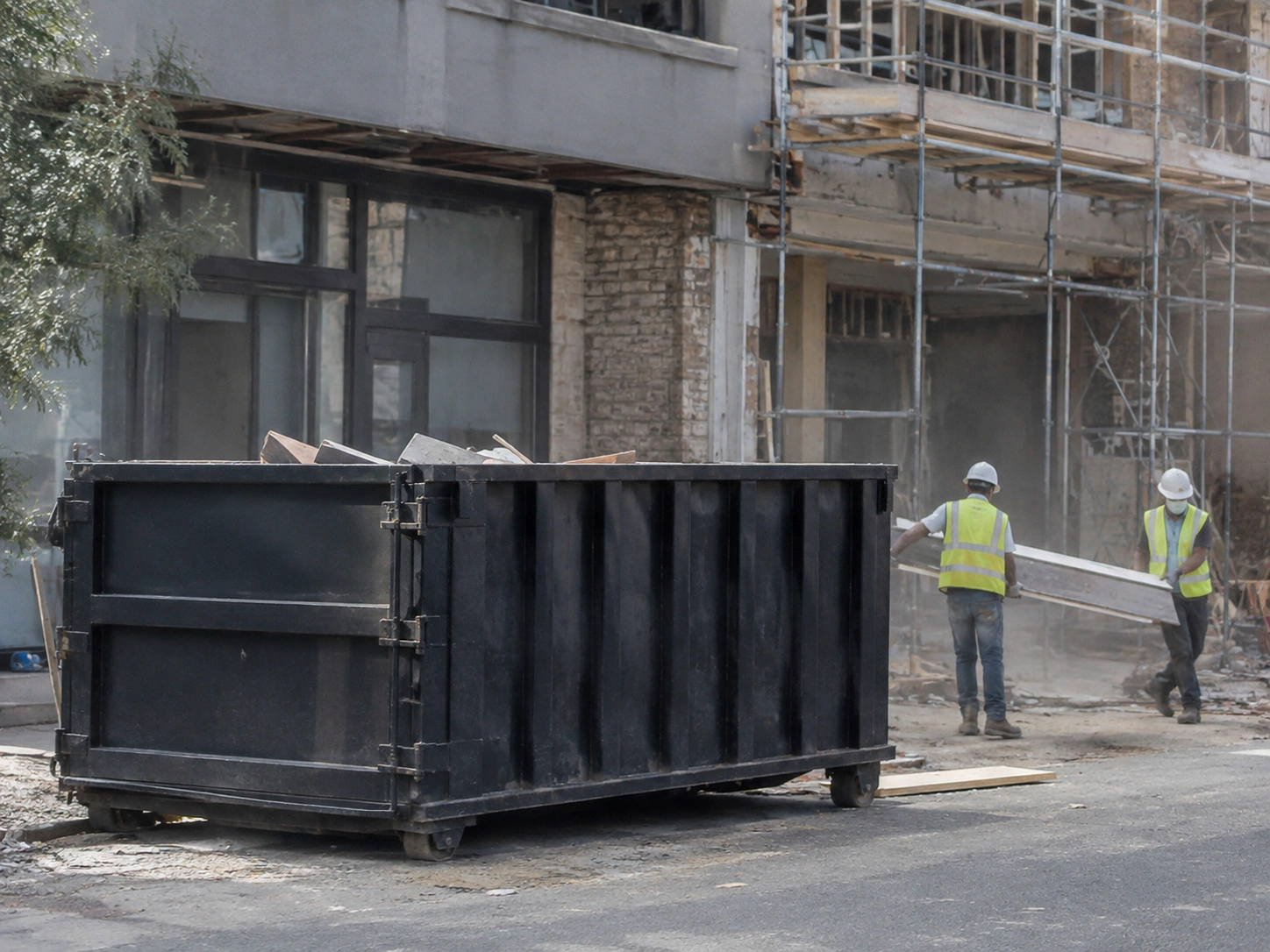
Sizing by Volume — and by Weight
Container size is usually described in cubic yards, which measures volume — but weight (tonnage) is a separate limit that can matter just as much, especially for denser materials.
- Cubic yards (volume)How much space the container holds, used to describe its overall size.
- Weight / tonnageA separate limit tied to how heavy the load is, independent of how full it looks.
- Bulky, light debrisFurniture, boxes, and similar material can fill a container by volume well before hitting a weight limit.
- Dense, heavy debrisMaterials like concrete, dirt, or roofing can hit a weight limit while the container still looks far from full.
- Fill levelDebris generally needs to stay at or below a marked fill line regardless of weight.
Choosing a size based on visual volume alone can be misleading for heavier debris — a container that looks like it has room left may already be at its weight limit. Confirm expected weight allowances and overage terms when you request a quote, since they vary by provider.
See the full dumpster size guideWhat Affects Cost for Commercial & Contractor Rentals
Commercial pricing is built from the same core variables as residential rentals, though project scale and duration often play a bigger role.
Container Size
Larger containers generally cost more, though the right size can be more efficient than multiple smaller swaps.
Rental Duration
Longer or open-ended project timelines are typically priced differently than short, fixed-length rentals.
Debris Type
Heavier or specialty materials are often priced differently than general commercial waste.
Included Tonnage
Quotes typically include a set weight allowance before an overage rate applies.
Overage
Exceeding the included weight or fill line usually adds cost — confirm the rate in advance.
Delivery, Pickup & Disposal
Site access, scheduling, and local disposal fees can all factor into the total.
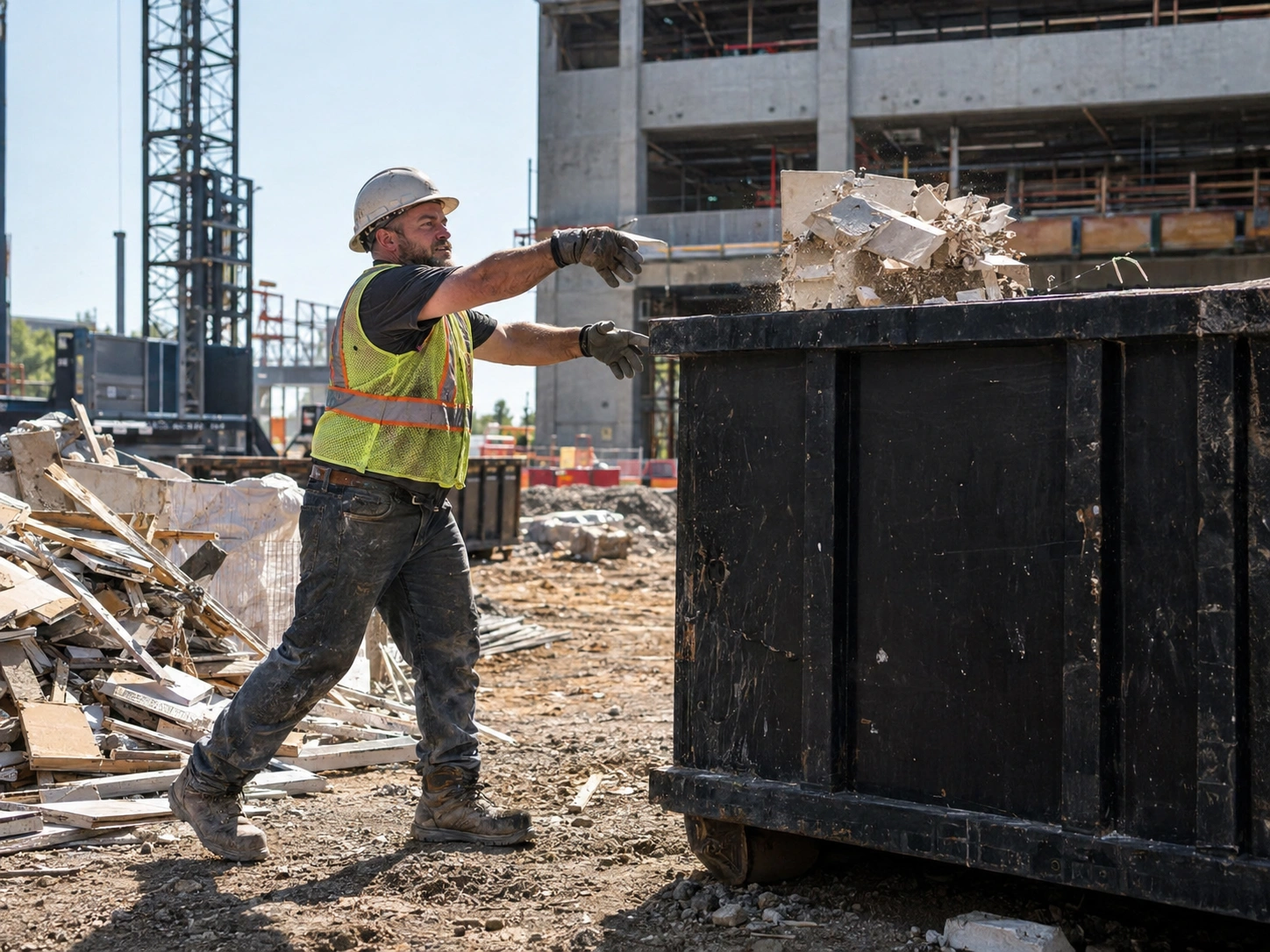
Planning Placement for a Commercial Site
Commercial and job-site properties bring their own access considerations beyond a typical residential driveway:
- Loading zonesWhether an existing loading area can accommodate the container.
- Parking areasBalancing container placement against customer, tenant, or crew parking needs.
- Gates & restricted accessConfirming the delivery truck can reach the site and any gate codes or hours are coordinated.
- Overhead clearanceAwnings, signage, wires, or structures that could interfere with placement.
- Truck maneuvering roomEnough space for the delivery vehicle to position and lower the container safely.
- Surface stabilityA stable, load-bearing surface suited to the container's weight.
- Employee & customer trafficKeeping walkways and entrances clear of the container and loading activity.
Materials That May Need Special Handling
Commercial and project sites sometimes generate materials that need separate handling rather than going in with general debris — for example:
Chemicals
Paint & solvents
Batteries
Electronics
Oils & fuels
Refrigerant-containing equipment
This is a general starting point, not a complete or locally verified list. Whether a specific material is accepted depends on the provider and local disposal facility rules — confirm hazardous or unknown materials before loading rather than assuming.
How It Works for a Commercial Project
The general flow is similar across most commercial rentals, though exact coordination varies by site and provider.
-
Describe the project or site
Share the type of property, project scope, and general timeline.
-
Identify debris type & volume
Estimate what's being removed and roughly how much of it there is.
-
Consider a suitable container
Match the project to an appropriate size and weight allowance.
-
Confirm placement & access
Identify where the container will sit and confirm the site can accommodate delivery.
-
Arrange delivery
Coordinate a delivery window around site activity and access hours.
-
Load within applicable limits
Keep debris below the fill line and within any weight allowance.
Commercial & Property Projects Around Asheville
Asheville's mix of active property renovation, rental turnover, and ongoing contractor work means commercial and project-based dumpster needs come up regularly across different property types. Common situations locally include:
- Rental property turnover between tenants, including cleanouts and light renovation
- Contractor activity tied to commercial remodels and property upgrades
- Tight access at some downtown or older commercial properties, which affects placement planning
- Seasonal or storm-related property cleanup affecting business or rental properties
These are practical planning factors, not guarantees of availability at a specific property — confirm the details for your site when you request a quote.
Commercial & Contractor Dumpster Questions, Answered
What size dumpster does a contractor need?
It depends on the project's expected debris volume, material type, and how heavy that material is. A short punch-list job needs far less capacity than an ongoing remodel. Our size guide walks through how to think it through.
How is dumpster weight calculated?
Dumpsters are typically weighed empty (tare weight) and again once picked up (gross weight); the difference is the debris weight (net weight), which is compared against the included tonnage allowance. Anything beyond that allowance is generally billed as overage.
What happens if a dumpster is overweight?
An overweight container may incur an overage charge, and in some cases may be unsafe or unable to be transported until weight is reduced. Confirm the included tonnage and overage rate before loading heavy material like concrete, dirt, or roofing.
How high can you fill a dumpster?
Up to the marked fill line — but on a job site, the weight ticket usually matters more than the fill line itself. A container that's well under the rim can already be near its tonnage allowance, so track both, not just how full it looks before calling for a swap or pickup.
How long can you keep a rented dumpster?
Rental periods vary by provider and are usually set for a specific number of days, with options to extend for longer projects. Confirm the included window and any daily extension rate so it matches your project timeline.
Can a dumpster be placed in a parking lot?
Often yes, provided there's a stable surface, enough room for the delivery truck to maneuver, and the placement doesn't block required access, fire lanes, or accessible parking. Confirm site-specific placement when you request a quote.
What materials require special disposal?
Items like chemicals, paint, solvents, batteries, electronics, oils, fuels, and refrigerant-containing equipment often need separate handling rather than general disposal. Exact rules vary by provider and local facility — see our materials guide.
Do you need a permit for a dumpster on a street or public right-of-way?
Permit requirements can depend on where the container is placed — public streets and rights-of-way are often treated differently than private property. Because local requirements can change, confirm current rules with the City of Asheville or Buncombe County before scheduling delivery.
Planning a Commercial or Contractor Project?
Tell us about your site and project, and we'll help you think through sizing and scheduling.